Stop Chasing Vintage: Why a Fresh Budget Replica Beats an Expensive 90s Authentic Every Time
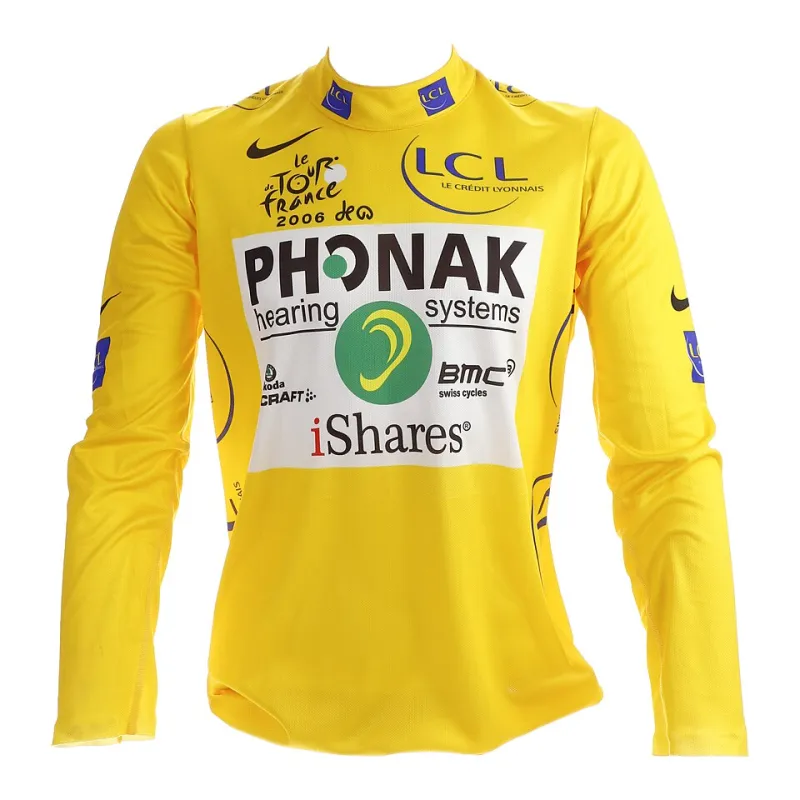
Photo: Nike, CC BY-SA 4.0, via Wikimedia Commons
There's a certain romance to the idea of tracking down an original 1990s authentic jersey — the kind with the thick twill lettering, the scratchy mesh, the faded colorway that screams "this thing was actually there." Vintage sports apparel has a whole culture built around it, and the nostalgia factor is genuinely powerful.
But let's have an honest conversation about what you're actually getting when you drop $200, $300, or more on a "vintage authentic" versus what you get when you grab a quality modern replica at a fraction of that price. The math might surprise you.
The Vintage Market Has a Fraud Problem Nobody Likes to Talk About
Authentication in the vintage jersey space is a mess. Unlike vintage sneakers — which have developed fairly robust authentication infrastructure over the past decade — vintage sports jerseys have no centralized grading system and very limited third-party verification services.
What that means in practice: a significant portion of what gets sold as "authentic 1990s" product is either heavily misrepresented, outright counterfeit, or a gray-area replica from the same era that's been relabeled. Sellers on eBay and Facebook groups often use the word "authentic" loosely, sometimes meaning "it looks old" rather than "it was manufactured to on-field specifications."
A 2022 analysis of vintage sports apparel listings on major resale platforms found that a substantial share of items described as "game-used" or "authentic" could not be verified through any documented provenance chain. Buyers are often paying premium prices based entirely on a seller's word and some photos that could have been taken yesterday with the right lighting.
For the average fan collector, this is a real risk. You might be paying $250 for something that cost $30 to produce in a factory twenty-five years ago.
Condition Degradation Is Real and It Doesn't Stop
Even when a vintage jersey is exactly what it claims to be, fabric ages. That's just physics.
Polyester from the early 1990s wasn't manufactured to the same standards as modern technical fabric. The mesh yellows. Elastic waistbands and collar ribbing break down. Tackle twill lettering — the thick, layered letters common in that era — begins to crack and peel at the adhesive layer, sometimes taking pieces of the underlying fabric with it when it goes.
A jersey that looks great in a seller's photo might arrive smelling like a storage unit and feeling like it's held together by optimism. And once that degradation process starts, there's no stopping it. You can dry-clean it carefully, store it in a climate-controlled space, keep it out of direct light — and it's still going to continue aging.
Modern replicas, by contrast, are manufactured with current-generation materials. The colorfastness is better. The stitching holds longer. The fabric breathes more effectively. And if you're someone who actually wears your jerseys — to games, to watch parties, around the neighborhood — a modern piece is going to hold up through real use in a way that a fragile vintage piece simply cannot.
The Price Comparison Is Brutal (For Vintage)
Let's put some numbers on this. A legitimate vintage authentic from a recognizable player — say, a mid-90s NBA jersey from a team with strong collector appeal — typically runs between $150 and $400 on the secondary market, depending on the player, condition, and seller. Premium pieces from iconic eras go higher.
A quality modern replica of the same team's current or throwback uniform? You're looking at a fraction of that, especially when you're shopping smart. Jersey Rush exists specifically to give fans access to well-made replica apparel at prices that don't require a financial commitment. You could buy three or four modern replicas — different teams, different players, different colorways — for the price of one iffy vintage piece.
For collectors who are building a wearable wardrobe rather than a museum display, that math is decisive.
"But It's Not the Same" — Addressing the Nostalgia Argument
The most common pushback from vintage hunters is emotional rather than practical: it's not the same because it doesn't have history. And look, that's a fair feeling. There's something meaningful about owning something that actually existed during the era it represents.
But here's the counterpoint: most vintage jerseys weren't game-used. They weren't worn by the player. They were sold to fans in team stores, worn to a few games, and stored in a closet for thirty years. The "history" is largely symbolic — which means a modern throwback replica carries essentially the same symbolic weight for a fraction of the price and none of the condition anxiety.
If you're buying a jersey to connect with a specific era of your team's history, a clean modern replica in those classic colors does that job completely. You can wear it, wash it, and not worry about whether you're destroying its value every time you put it on.
When Vintage Actually Makes Sense
To be fair: there are legitimate reasons to pursue vintage jerseys. If you're a dedicated memorabilia collector focused on provenance and documentation — actual game-worn pieces with chain of custody — that's a different conversation entirely. Those items have real historical value and their own collector ecosystem.
Similarly, if you're pursuing a very specific piece tied to a personal memory (the jersey your dad wore to a championship game, a specific player from your hometown team's best season) and you've verified the authenticity carefully, the premium might be worth it for what it means to you personally.
But for the majority of fans building a sports wardrobe they're actually going to use? Modern budget replicas are the clear winner. Better materials, zero authentication risk, current-season availability, and prices that let you build a real collection instead of obsessing over one expensive gamble.
The Smarter Collector's Approach
The fans who get the most out of their sports apparel hobby are the ones who spend smart rather than spending big. They pick up quality replicas at accessible prices, rotate their collection seasonally, and don't have money tied up in a single fragile vintage piece they're afraid to wear.
That's the Jersey Rush philosophy in a nutshell. Pro styles, real fan energy, prices that let you actually enjoy the hobby instead of stressing about it. Your collection should make game day better — not give you storage anxiety.