From Rookie Cards to Replica Jerseys: How to Build a Serious Sports Apparel Collection on the Cheap
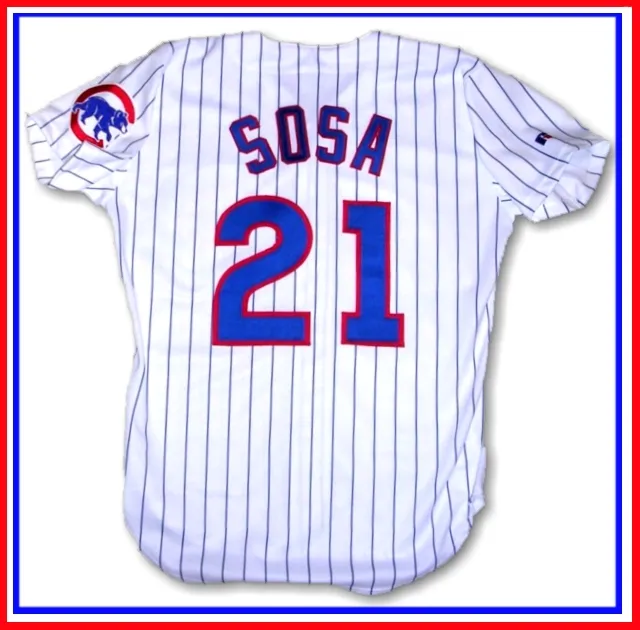
Photo: Amin Eshaiker, CC BY-SA 3.0, via Wikimedia Commons
There's a certain kind of fan who doesn't just watch the game — they live it. The kind of person who knows exactly which year a team switched colorways, who can spot a throwback from across a parking lot, and who has strong opinions about whether you should frame a jersey or actually wear it. If that sounds like you, welcome home.
Jersey collecting has quietly become one of the most personal expressions of sports fandom in America. But there's a persistent myth that a meaningful collection requires a credit card you're afraid to look at. It doesn't. With the right approach — and the right source — you can build a portfolio that turns heads and tells your story, all without the financial hangover.
Why People Collect Jerseys (And Why It Matters)
Before we get into the how, it helps to understand the why. For most collectors, jerseys aren't just merchandise — they're memory anchors. That 2016 Cavaliers replica on your shelf? It's the night you watched LeBron bring home the chip with your dad. That vintage Reggie White Eagles throwback? It's your connection to a player you never saw live but grew up hearing stories about.
Understanding your personal motivation shapes everything about how you collect. Are you building around a single team? Chasing iconic moments? Collecting by position? Tracing your own fandom across decades? The psychology here is real, and the collectors who end up with the most cohesive, satisfying wardrobes are the ones who decided on a theme early and stuck to it.
Vintage vs. Current: Where to Put Your Money
This is the classic collector's dilemma, and there's no single right answer — but there are smarter moves depending on your goals.
Current player jerseys are the obvious entry point. You're emotionally invested in what's happening right now, and wearing a current star's number to a watch party hits different. The upside is relevance. The downside is volatility — players get traded, retire, or have seasons that make you want to stuff that jersey in a drawer. Budget replica options shine here because the financial risk is low. If your guy gets shipped to another conference, you're not out $300.
Vintage and throwback jerseys carry a different kind of weight. They're conversation starters. They signal depth of knowledge. A well-chosen throwback — say, a mid-90s Penny Hardaway Magic jersey or a classic Tony Gwynn Padres replica — communicates that you've been paying attention for a long time. These pieces also tend to hold their sentimental value regardless of what happens on the court or field. The key is sourcing them affordably, which is exactly where budget replica retailers come in clutch.
A solid collection strategy? Aim for roughly a 60/40 split between current and vintage. Keep your current-player pieces affordable so you can rotate them as rosters shift. Invest a little more care — not necessarily more money — in your throwbacks, since those are the pieces you'll want to preserve.
The Authentication Question (And Why It's Not as Scary as You Think)
Let's address the elephant in the locker room: replica jerseys and the whole authentication conversation. Here's the honest take.
For display-quality, wall-worthy pieces from specific game-worn moments, official authentication matters and commands a premium. But for the vast majority of collectors — people building wearable, shareable, everyday fan wardrobes — replica jerseys sourced from quality manufacturers are the move. The stitching is tight, the numbers are accurate, the colors are on point, and nobody at the tailgate is asking to see a certificate of authenticity before they hand you a cold one.
The smart collector knows the difference between what they're buying and why. Replicas are for wearing, rotating, and enjoying. They're for the collection that lives in your closet and gets used, not the one that lives behind glass. And at a fraction of the cost of official retail, they let you cast a wider net — more teams, more players, more moments represented in your wardrobe.
Building Your Portfolio: A Seasonal Rotation Strategy
Here's where jersey collecting gets genuinely strategic, and where budget-conscious fans have a real advantage over the big spenders.
Think of your collection the way an investor thinks about a portfolio: diversified, intentional, and designed to perform across different conditions. In practical terms, that means planning your purchases around the sports calendar.
- Fall/Winter: Load up on NFL and NBA jerseys. These are your heavy-rotation pieces from September through April. Prioritize your home team's current roster alongside one or two legacy players whose numbers you'd wear anywhere.
- Spring/Summer: Shift focus to MLB. Baseball jersey culture is having a serious moment right now, and the relaxed fit of a baseball jersey works brilliantly as a warm-weather style piece even beyond the ballpark.
- Offseason pickups: This is when the savvy collector moves. When a player gets traded or a team rebrands, demand for certain jerseys drops — which means prices drop. Scoop up pieces that have sentimental or historical value while the casual fans have moved on.
Aiming for eight to twelve pieces across three or four sports gives you enough variety to stay fresh without feeling overwhelmed. Rotate actively. A jersey that stays in the closet isn't a collection — it's just storage.
The Rules (Such As They Are)
Every serious collector develops their own code over time, but a few principles tend to hold across the board:
- Buy what you actually feel something about. A jersey you picked because it was on sale but don't care about will always feel hollow.
- Don't sleep on women's and youth cuts. The fit game has evolved, and a cropped or fitted replica can be a legitimately stylish piece, not just a fan item.
- Document your collection. Even just a simple photo log of each piece — when you got it, why it matters — transforms a pile of jerseys into an actual archive.
- Wash carefully, store smart. Turn jerseys inside out before washing, cold water only, and hang to dry. Folding for long-term storage beats hanging, which can stretch the shoulders over time.
The Bottom Line
The best jersey collections aren't the most expensive ones. They're the most intentional ones. They tell a story — about the teams you've loved, the seasons you'll never forget, and the players who made you believe in something. And when you're sourcing smart, buying replica jerseys that are well-made and priced right, there's nothing stopping you from building exactly that collection.
At Jersey Rush, we're here for the collector who takes this seriously but doesn't take the price tag seriously. Browse the full lineup, plan your next pickup, and keep building.