Where Do Cheap Jerseys Actually Come From? The Real Story Behind the Supply Chain
Let's just put the question on the table: when you see a jersey listed for $20, your first instinct is probably suspicion. That's fair. The internet has trained us to be skeptical of anything priced way below what we'd expect to pay at a brick-and-mortar retailer. But here's the thing — that skepticism is often pointed in the wrong direction. The story behind how affordable jerseys reach retailers like Jersey Rush is a lot more nuanced than "fake vs. real," and once you understand it, you'll shop with a completely different mindset.
The Manufacturing Ecosystem You Don't See
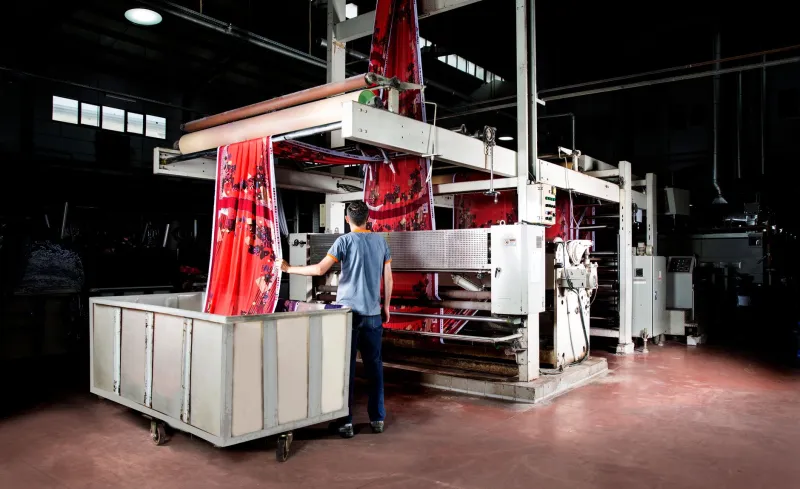
Most major sports apparel — including jerseys that end up in big-box retailers — originates from manufacturing facilities in China, Vietnam, Bangladesh, and other parts of Southeast Asia. This isn't a secret. It's printed in the fine print of virtually every major sportswear brand's supply chain disclosures.
What most consumers don't realize is that the manufacturing process creates multiple categories of product that don't all follow the same path to market. When a factory produces a run of jerseys for a licensed retailer, several things can happen along the way that result in perfectly well-made garments ending up outside the traditional retail pipeline:
- Overproduction: Factories often manufacture more units than ordered to account for defects and last-minute order increases. When the final order ships, surplus units remain.
- Sample runs: Before a full production run is approved, factories produce samples. These are often indistinguishable from the final product but never get formally licensed for retail.
- Cancelled orders: Retailers cancel orders all the time — due to licensing changes, team rebranding, player trades, or simple business decisions. Fully manufactured inventory gets left behind.
- End-of-season clearance: Licensed distributors routinely offload excess stock at deep discounts when a season ends or a new uniform design drops.
All of these scenarios produce real, physically identical garments to what you'd find at full retail — without the licensing fees and markup baked into the price.
Fakes vs. Factory Seconds: A Critical Distinction
This is where the conversation usually gets muddied, and it's worth being precise. A counterfeit jersey is one that's deliberately manufactured to deceive — it uses unauthorized branding, fraudulent holograms, or fake tags to impersonate a licensed product. These are produced specifically to rip off consumers and brands alike, and they're a real problem in the market.
A factory second or overrun is an entirely different animal. These are jerseys made in the same facilities, on the same equipment, with the same materials as licensed product — they just didn't complete the formal licensing and distribution process. The quality is often identical. The difference is paperwork, not craftsmanship.
Replica jerseys occupy yet another category. These are openly manufactured as non-licensed alternatives — they're not pretending to be official merchandise. The branding, numbering, and design elements are reproduced, but no one is hiding the ball about what they are. A replica is a replica. When you buy one, you know what you're getting: a jersey that looks the part, wears well, and costs a fraction of the officially licensed version.
What "$15 Jersey" Actually Means
When you see a jersey at a deeply discounted price, the cost breakdown usually reflects a few realities:
Labor costs are lower in manufacturing regions. This is true for every piece of clothing you own, regardless of brand. The markup on licensed sports apparel from major retailers is enormous — you're paying for the licensing agreement, the retail real estate, the marketing budget, and the brand equity. Strip all of that out, and the actual cost of manufacturing a jersey is a fraction of the sticker price at a stadium shop.
No licensing fees. Official NFL, NBA, MLB, and NHL merchandise carries licensing royalties that add significantly to the cost. Replicas and surplus product don't carry that overhead.
Leaner distribution. E-commerce retailers sourcing directly from manufacturers — or from surplus channels — cut out multiple middlemen. That savings gets passed to you.
None of this means the jersey is poorly made. It means the business model is different.
What to Actually Look for When Shopping
Knowing the supply chain is useful, but it doesn't replace doing your homework on a specific retailer. Here's what separates a trustworthy budget jersey source from a genuinely sketchy one:
Transparency about what you're buying. A good retailer will clearly describe their product as a replica or non-licensed item. If a site is claiming to sell "authentic" officially licensed jerseys at $15, that's a red flag. Honest sourcing means honest labeling.
Clear product photography. Real stitching, actual fabric texture, visible number quality — these details should be visible in product images. Blurry photos or images that look lifted from official brand sites are warning signs.
Consistent sizing information. Factories producing quality product maintain sizing standards. If a retailer can give you real measurements rather than just S/M/L guesses, that's a good sign.
Return and customer service policies. Sketchy operations don't offer returns. A retailer confident in their product stands behind it.
The Bottom Line
The sports apparel supply chain is global, complex, and full of legitimate pathways that produce quality product at accessible prices. Budget jerseys aren't automatically fake jerseys — and understanding that distinction is what separates savvy shoppers from people paying triple the price for the same physical garment.
At Jersey Rush, we're upfront about what we sell and where it comes from. Replicas. Surplus. Overruns. Affordable by design. The goal is putting quality gear in the hands of fans who love the game without requiring them to take out a loan to look the part. Now you know exactly how that's possible.